Impact of the trees
We present some interesting facts about trees and the impact that deforestation generates in the world
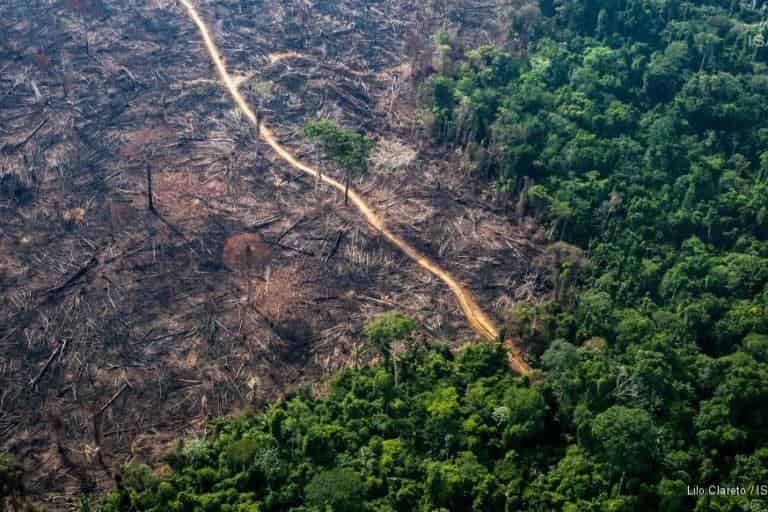
We destroyed an area of forest the size of a soccer field. That equates to 50 soccer fields per minute, 3,000 in an hour, 72,000 in a day, and 26,280,000 in a year.

80% of the world's terrestrial plants and animals live in forests and are losing their habitats due to deforestation. Loss of habitat can lead to species extinction.
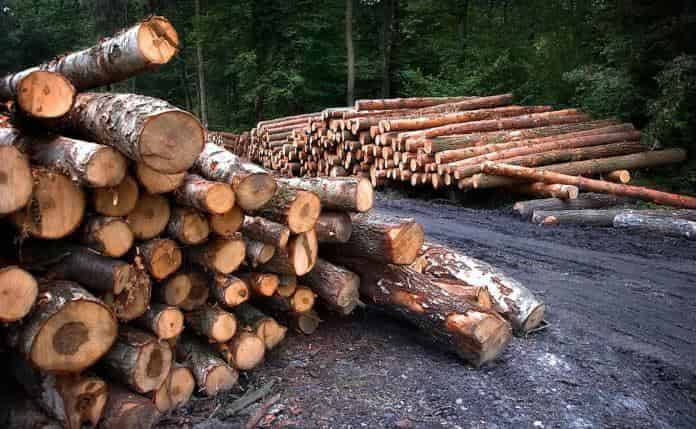
The annual rate of increase in atmospheric carbon dioxide over the last 60 years is approximately 100 times faster than previous natural increases, such as those that occurred at the end of the last ice age 11,000-17,000 years ago .
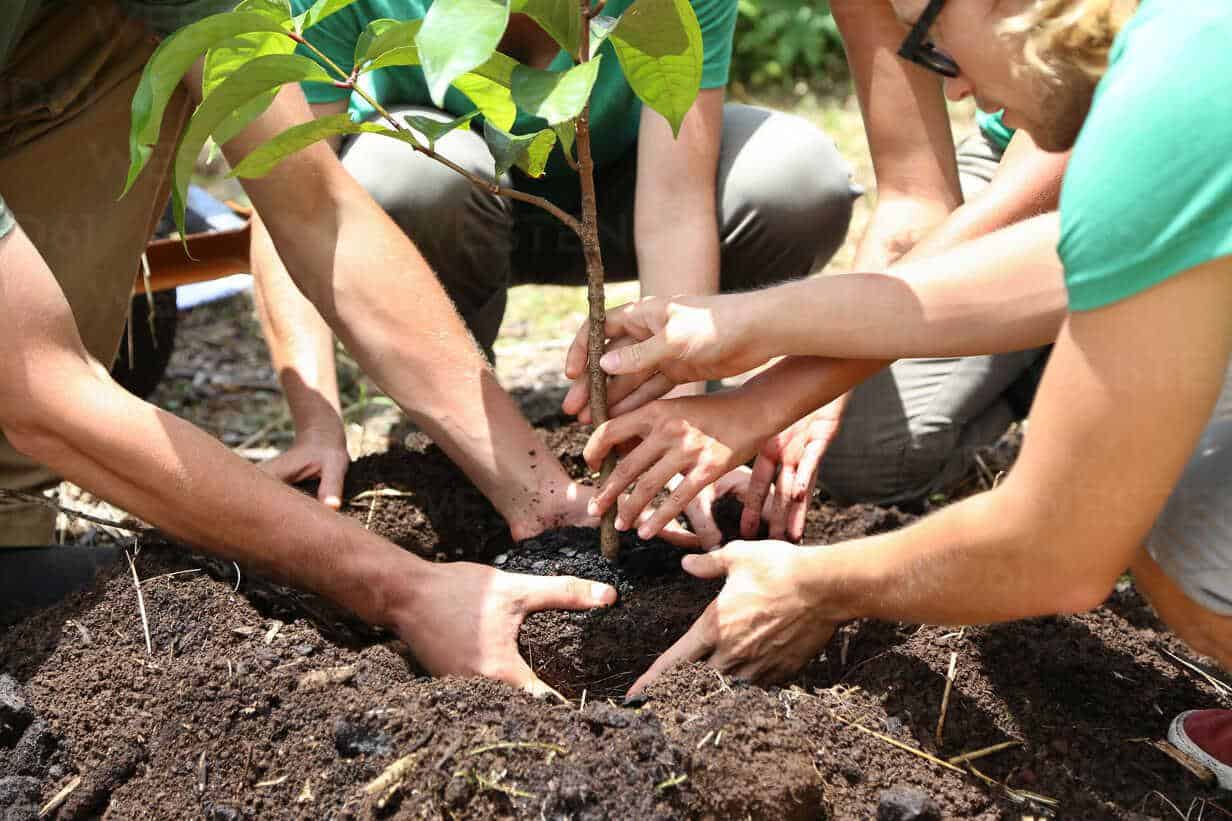
The world's rainforests could completely disappear in 100 years at the current rate of deforestation.
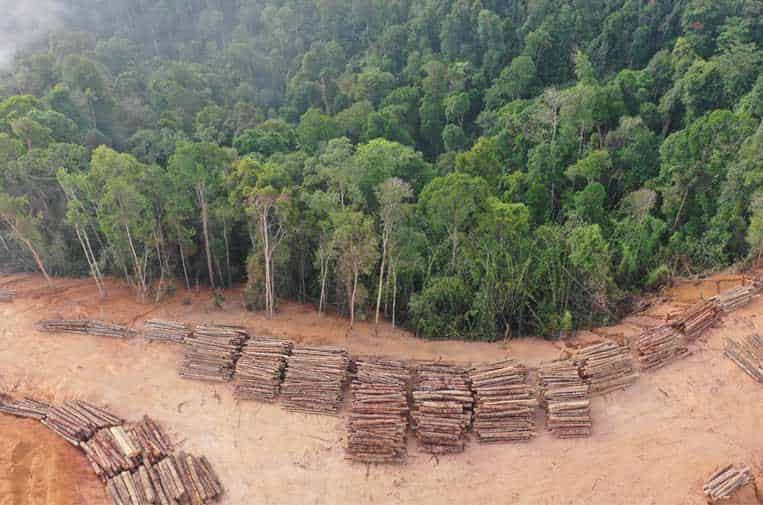
Healthy forests not only produce the oxygen we breathe, but also help absorb greenhouse gases and carbon emissions caused by human civilization and contribute to global climate change.

Currently, forests absorb around 30% of atmospheric carbon emissions.
When trees fall down, the carbon stored in their roots and trunk is released into the atmosphere. Deforestation accounts for approximately 20% of current greenhouse gas emissions
Deforestation is causing higher temperatures, stronger storms, more severe droughts, rising sea levels, forest fires, loss of species and biodiversity.
28,000 species are expected to become extinct in the next 25 years due to deforestation.
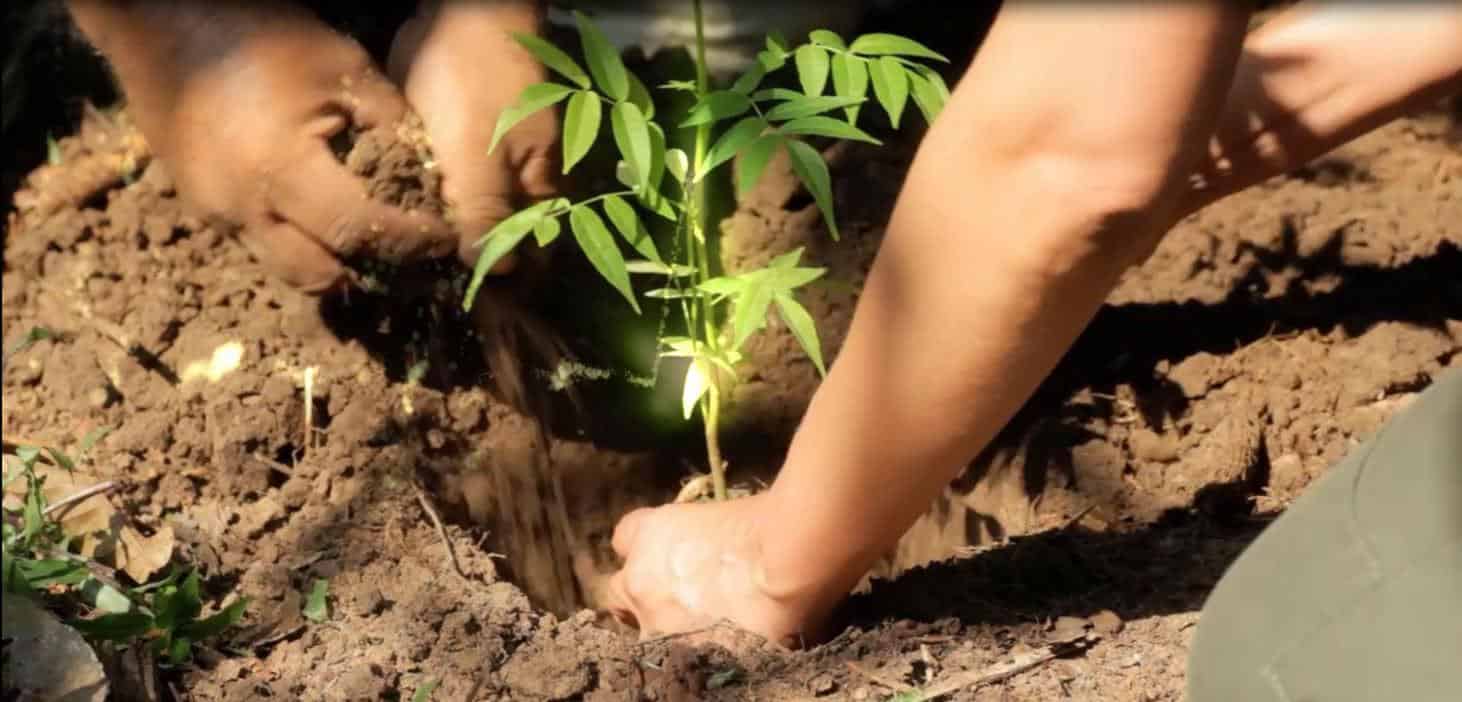
The best time to plant a tree was twenty years ago. The second best moment is now.
Planting 1 trillion trees could capture approximately 200 gigatons of carbon, an amount equivalent to two-thirds of the pollution produced since the Industrial Revolution.
Forests can only be part of a long-term plan to curb global emissions. The only real climate solution is to reduce our dependence on fossil fuels.
A tree can capture 21 kilos of CO2 every year. This means that it will sequester approximately half a ton of carbon dioxide when it reaches 40 years of age.
If world energy demand continues to grow and is satisfied mainly with fuels fossils, it is predicted that carbon dioxide atmospheric carbon exceeds 900 ppm by the end of this century.